


National Absinthe Day is an annual celebration that invites curiosity, conversation, and a look back at one of history’s most talked-about spirits!

Known as “the Green Fairy,” absinthe has a long, colorful past filled with art, myth, and changing public opinion. Today, this special day offers a chance to separate fact from fiction and appreciate absinthe’s place in culture and craftsmanship.
The Origins of Absinthe
Absinthe traces its roots to late 18th-century Europe, where it began as a medicinal tonic made from herbs such as wormwood, anise, and fennel. By the 1800s, it had grown wildly popular, especially in France, where it became a daily ritual known as l’heure verte—the green hour—when cafés filled with people enjoying a glass before dinner.
Writers and artists such as Vincent van Gogh, Oscar Wilde, and Henri de Toulouse-Lautrec were famously associated with absinthe, helping cement its image as a drink of creativity and rebellion.
However, absinthe’s rising popularity also brought controversy. Myths spread that it caused madness or hallucinations, leading to bans in many countries during the early 1900s. Modern science later showed these fears were greatly exaggerated. After careful regulation and reformulation, absinthe made a legal and responsible return in many places toward the end of the 20th century.
What Makes Absinthe Unique
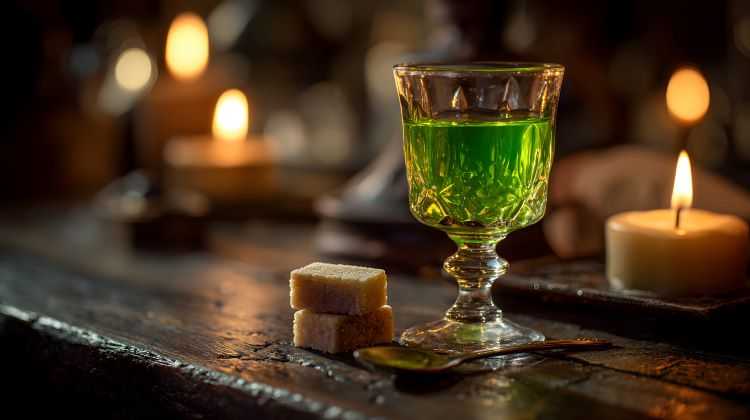
Absinthe stands out for both its flavor and its presentation. Traditionally, it is diluted slowly with ice-cold water poured over a sugar cube, creating a cloudy effect called louche. This ritual is part of what makes absinthe more than just a drink—it’s an experience.
Its flavor is bold and herbal, often compared to black licorice, though high-quality absinthe reveals layers of botanical notes that unfold slowly. Modern versions are crafted with strict standards, focusing on balance and quality rather than shock value.
Ways to Honor and Celebrate National Absinthe Day
There are many enjoyable and meaningful ways to observe this annual celebration, whether or not you choose to taste absinthe itself.
You might explore the history by reading about café culture in 19th-century Europe or watching a documentary about artists of the era. Visiting a museum exhibit, attending a lecture, or browsing old posters and advertisements can bring the story to life.
For those interested in flavor without alcohol, herbal teas inspired by anise and fennel offer a gentle nod to absinthe’s botanical roots.
Another great way to celebrate is by recreating the classic absinthe ritual at home using a non-alcoholic substitute, focusing on the beauty of the glassware, the slow pour, and the sense of occasion.
Finally, National Absinthe Day is a perfect excuse to spark conversation about how myths can shape public opinion—and how time and science can rewrite the story.
Absinthe Then and Now
What makes absinthe especially interesting is how its reputation has changed over time. Once blamed for social problems, it is now appreciated as a carefully crafted spirit with a fascinating history. This shift reminds us that cultural trends evolve, and yesterday’s villain can become today’s curiosity or collectible.
Collectors now seek vintage absinthe spoons, posters, and glassware, while modern distillers focus on honoring tradition with safe, transparent practices.
Talking Points
• Why do you think absinthe inspired so many myths and legends?
• How does ritual change the way we experience food or drink?
• Are there other things that were once misunderstood but later redeemed?
• What role do art and storytelling play in shaping public opinion?
• Does learning the history of something change how you feel about it?
National Absinthe Day is a reminder that history is rarely simple. Whether you celebrate through learning, conversation, or tradition, it’s a great opportunity to slow down, sip thoughtfully, and enjoy the stories that connect the past to the present!
#NationalAbsintheDay #GreenFairy #DrinkHistory #HerbalTraditions #VintageCulture #FoodAndDrinkHistory #DailyCelebrations
Tags:
National Absinthe Day, absinthe history, Green Fairy, herbal spirits, vintage drinks, cultural traditions, European café culture, drink rituals, historical beverages