




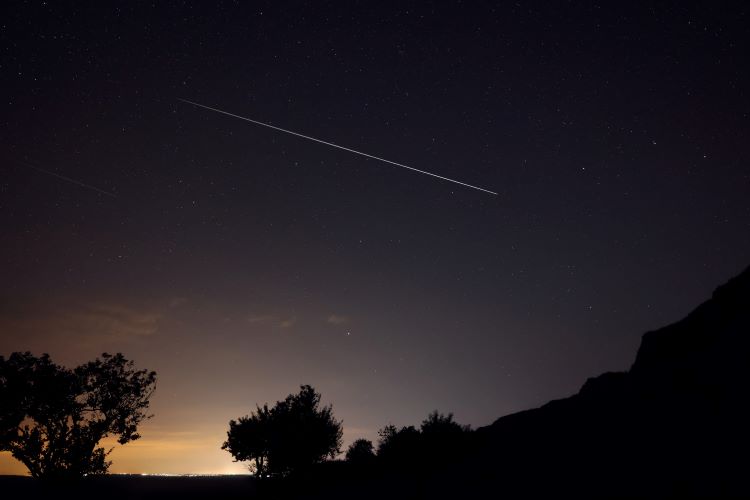
Every year, on the night of National Meteor Watch Day, the night sky comes alive with streaks of light as meteors, also known as shooting stars, light up the heavens!

This day celebrates the beauty and mystery of meteor showers, offering a unique opportunity to witness one of nature’s most awe-inspiring spectacles. Whether you’re a seasoned sky-watcher or someone new to the wonders of the night sky, National Meteor Watch Day offers a chance to connect with the cosmos in a special way.
The Origins of National Meteor Watch Day
National Meteor Watch Day is celebrated annually on June 30th. The day is dedicated to encouraging people to step outside and gaze at the night sky to observe meteor showers. Meteor showers occur when Earth passes through the debris left behind by a comet. These tiny fragments, known as meteoroids, burn up upon entering the Earth’s atmosphere, creating the brilliant streaks of light that we call meteors. While the exact origins of the observance are unclear, it has become an annual tradition to raise awareness about the beauty and significance of these natural phenomena.
The Science Behind Meteor Showers
Meteor showers are the result of the Earth’s orbit crossing paths with the debris left by comets. As these particles enter our atmosphere, they burn up due to friction, creating a brilliant display in the sky. The most famous meteor showers are the Perseids, which peak around August 12th each year, and the Geminids, which peak in December.
These events are not only visually stunning, but they also offer an opportunity for scientific study. Meteor showers give astronomers clues about the composition of comets and the early solar system, providing insight into the formation of our planet and the cosmic events that shaped it.
How to Celebrate National Meteor Watch Day
- Find the Perfect Viewing Spot
To get the best view of the meteor shower, it’s important to get away from the city lights. Light pollution can block out the night sky, making it difficult to see the meteors. Head to a quiet, dark spot—perhaps a nearby park or even your own backyard. Make sure to bring a comfortable chair or blanket to lie on as you watch the sky. - Know When to Look
Meteor showers typically peak during the night, often after midnight and into the early hours of the morning. Check the forecast for the specific meteor shower to find out when it will be most visible in your area. Some meteor showers, like the Perseids, are visible in both the northern and southern hemispheres, making them a worldwide phenomenon. - Prepare for the Experience
While it’s tempting to use your phone to capture the perfect shot of a meteor, the best way to experience a meteor shower is to simply look up and enjoy the natural beauty. Bring along a warm blanket, a thermos of hot cocoa or tea, and perhaps a loved one to share the experience with. Taking in the sights and sounds of the night sky can be a relaxing and meditative experience. - Make It a Family Activity
Meteor watching is a great activity to enjoy with the family. Gather the kids or grandkids, and make it an event. Share stories about the stars and constellations, and teach them about the science behind meteors. For those with grandchildren, sharing the experience creates an opportunity for bonding and passing on your knowledge of the stars. - Share the Moment
In the age of social media, you can also share your meteor-watching experience. Post pictures of the sky or your setup, or even share a video of your reaction to catching a shooting star. This creates a community of fellow sky-watchers who share in the awe of the night sky.
Talking Points
- How often do meteor showers occur, and when is the best time to see them?
- What scientific information can meteor showers teach us about the solar system?
- Have you ever witnessed a meteor shower? What was it like for you?
- How can stargazing and meteor watching serve as a reminder of the vastness of the universe?
- What other celestial events, like eclipses or supermoons, do you enjoy watching?
Next time you find yourself outside on a clear night, take a moment to look up and appreciate the beauty of the night sky. National Meteor Watch Day reminds us that sometimes, the most awe-inspiring experiences are right above us, waiting to be discovered. Whether you’re looking for shooting stars, reflecting on the wonders of space, or simply enjoying time with family, this day offers something for everyone. Happy stargazing!