




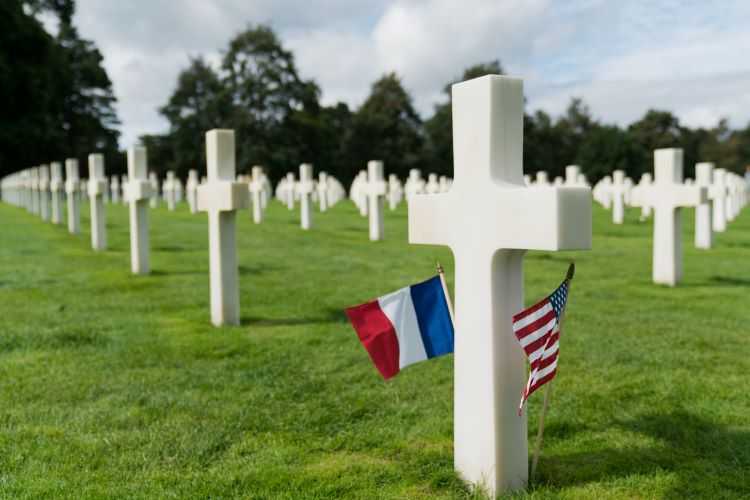
June 6, 1944, is known as D-Day, one of the most important days in world history.

On this day, during World War II, Allied forces, including soldiers from the United States, Britain, Canada, and other countries, launched a massive invasion on the beaches of Normandy, France. This event marked the beginning of the end of the war in Europe and played a crucial role in defeating Nazi Germany.
The Origins of D-Day
World War II was raging across Europe in the early 1940s. Nazi Germany, led by Adolf Hitler, had taken over much of Europe and was spreading fear and destruction. The Allies knew they needed to strike a significant blow to reclaim Europe and bring an end to the war. They decided to launch a massive attack on the beaches of Normandy, a region in northern France.
Planning for D-Day, also known as Operation Overlord, began years before the actual event. Military leaders, including General Dwight D. Eisenhower, who later became the President of the United States, carefully planned every detail. They chose Normandy because it was less heavily defended than other parts of the French coast. The goal was to land thousands of troops on the beaches, break through the German defenses, and begin the liberation of Europe.
The Day of the Invasion
Early in the morning of June 6, 1944, thousands of ships, planes, and soldiers from the Allied nations crossed the English Channel and began their assault on Normandy. The operation was incredibly risky and dangerous. Many soldiers faced heavy gunfire and obstacles as they landed on the beaches named Utah, Omaha, Gold, Juno, and Sword.
Despite the challenges, the bravery and determination of the Allied troops paid off. By the end of the day, the Allies had secured a foothold in Normandy, and within weeks, they began pushing the German forces back across France. This invasion was a turning point in World War II and led to the eventual defeat of Nazi Germany.
Honoring and Celebrating D-Day
Today, D-Day is remembered and honored in various ways. Here are some meaningful ways to celebrate and honor this historic day:
- Visit Historical Sites: Many people visit the beaches of Normandy and other significant sites related to D-Day. There are museums, memorials, and cemeteries where you can learn more about the events and pay respects to those who fought and died.
- Participate in Ceremonies: Across the world, ceremonies and parades are held to honor the soldiers who fought on D-Day. These events often include speeches, moments of silence, and the playing of military music.
- Watch Documentaries and Movies: Watching films and documentaries about D-Day can provide a deeper understanding of the bravery and sacrifices made by the soldiers. Some famous movies include “Saving Private Ryan” and the series “Band of Brothers.”
- Read Books: Many books have been written about D-Day, offering personal stories and detailed accounts of the invasion. Reading these can be both educational and inspiring.
- Share Stories: Talking to veterans or people who lived during World War II can provide personal insights and stories that bring history to life. Listening to their experiences can be a powerful way to connect with the past.
C o n v e r s a t i o n S t a r t e r s
As you think about D-Day and its significance, consider these questions:
- How do you think the outcome of World War II would have been different if D-Day had not been successful?
- What can we learn from the bravery and determination of the soldiers who fought on D-Day?
- Why is it important to remember and honor events like D-Day, even many years later?
- How do stories of historical events, such as D-Day, shape our understanding of the world today?
Reflecting on these questions can help us appreciate the sacrifices made by those who came before us and understand the importance of learning from history. D-Day is more than just a date on the calendar; it is a reminder of courage, unity, and the enduring fight for freedom.