




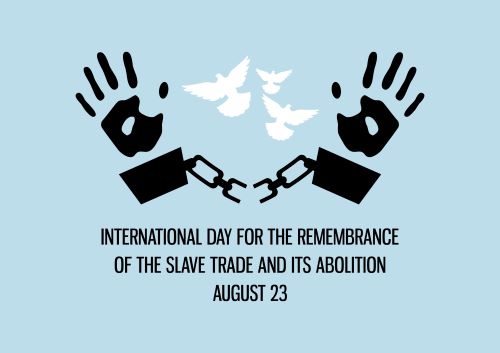
The International Day for the Remembrance of the Slave Trade and its Abolition, observed annually on August 23rd, stands as a solemn reminder of one of the darkest chapters in human history.

This day serves as an opportunity to reflect on the horrors of the transatlantic slave trade, remember the countless lives lost and affected, and acknowledge the resilient spirit of those who fought for freedom and equality. In this blog post, we delve into the origins of this important day and explore meaningful ways to honor and celebrate its significance.
Origins of the Day: The International Day for the Remembrance of the Slave Trade and its Abolition commemorates the historic uprising that took place on August 23, 1791, on the island of Saint-Domingue (modern-day Haiti). This uprising marked the beginning of a relentless struggle against the brutal slave trade and the quest for the abolition of slavery itself. Led by brave enslaved Africans, this revolt ultimately played a pivotal role in shaping the course of history and inspiring movements for freedom and equality around the world.
Ways to Honor and Celebrate:
Educate and Raise Awareness: Education is a powerful tool in combating ignorance and prejudice. Organize workshops, seminars, or discussions that focus on the history of the slave trade, its impact on societies, and the stories of those who resisted. Share resources, documentaries, and books that shed light on this dark period to help people understand its significance.
Visit Museums and Memorials: Many museums and heritage sites worldwide pay homage to the victims of the slave trade and honor those who fought against it. Visiting these sites can offer a deeply moving and educational experience. The International Slavery Museum in Liverpool, UK, the National Museum of African American History and Culture in Washington, D.C., and Maison des Esclaves on Gorée Island, Senegal, are just a few examples of such institutions.
Participate in Commemorative Events: Attend or organize events that commemorate the International Day for the Remembrance of the Slave Trade and its Abolition. These events may include art exhibitions, music performances, poetry readings, and cultural celebrations that highlight the resilience and creativity of enslaved individuals and their descendants.
Engage in Dialogue: Foster conversations about racial equality, social justice, and human rights. Create safe spaces for open discussions that address the lasting impact of the slave trade on contemporary society and explore ways to promote inclusivity and eradicate discrimination.
Support Advocacy Groups: Contribute to organizations that actively work toward promoting racial equality and fighting modern forms of slavery. Donations, volunteering, or even participating in awareness campaigns can make a meaningful impact.
Artistic Expressions: Encourage artistic expressions that honor the memory of those affected by the slave trade. This could involve creating art, music, poetry, or literature that captures the emotions and stories of enslaved individuals and abolitionists.
The International Day for the Remembrance of the Slave Trade and its Abolition is a day of reflection, education, and action. By remembering the past and acknowledging the resilience of those who fought against injustice, we can inspire a more just and inclusive future. Through education, dialogue, and meaningful commemorations, we can honor the memory of those who suffered and ensure that their stories are never forgotten.